Project Description
Born in Cairo in 1935, William Tucker lived and worked in England until the late 1970s when he moved to New York. He has been making sculptures for six decades and is regarded as one of the most significant sculptors of our time. A brilliant writer on art, his critically acclaimed 1974 book The Language of Sculpture remains a must-read for all interested in the area.
Tucker read Modern History at Brasenose College, Oxford (1955-1958), while also attending the Ruskin School of Art. In 1957, he was inspired by the exhibition Sculpture 1857-1957 at Holland Park to make his first sculptures. His early abstract constructions in steel and wood were done while studying at the Central School of Art and Design with John Warren Davies, and subsequently with Anthony Caro at St Martin’s (1959-60).
With Phillip King and Tim Scott, William Tucker counted among the influential group of British sculptors who were introduced as the New Generation at London’s Whitechapel Art Gallery in 1965. Their work provided fresh inspiration for the development of abstract sculpture as well as a far broader interpretation of the concept of sculpture.
Tucker represented Britain in the Venice Biennale of 1972 with sculptures that were more linear and optical in character, such as the Cat’s Cradle and Beulah series and was given the first one person exhibition at the Serpentine Gallery in 1973. Two years later he curated the exhibition The Condition of Sculpture at the Hayward Gallery.
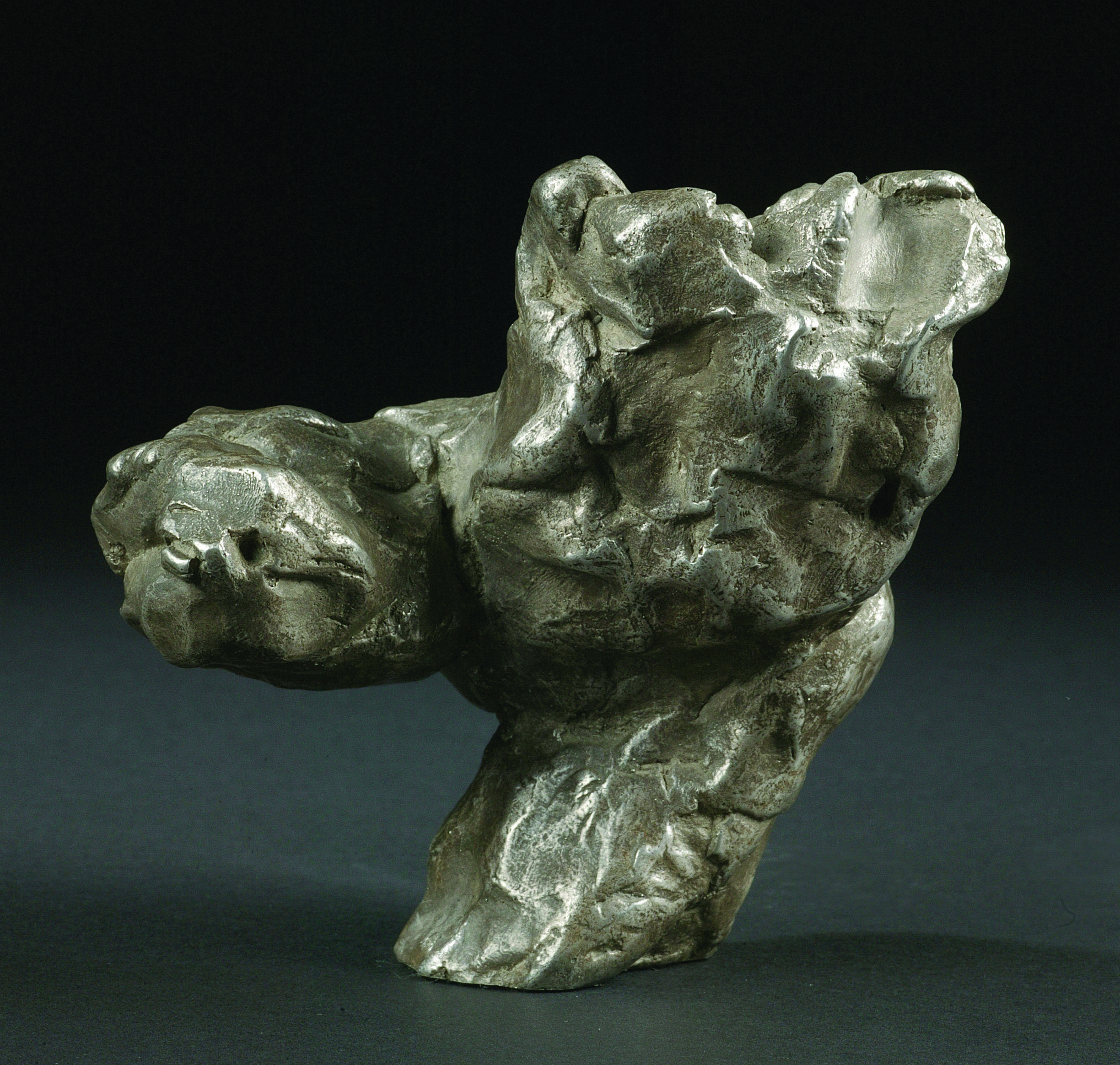
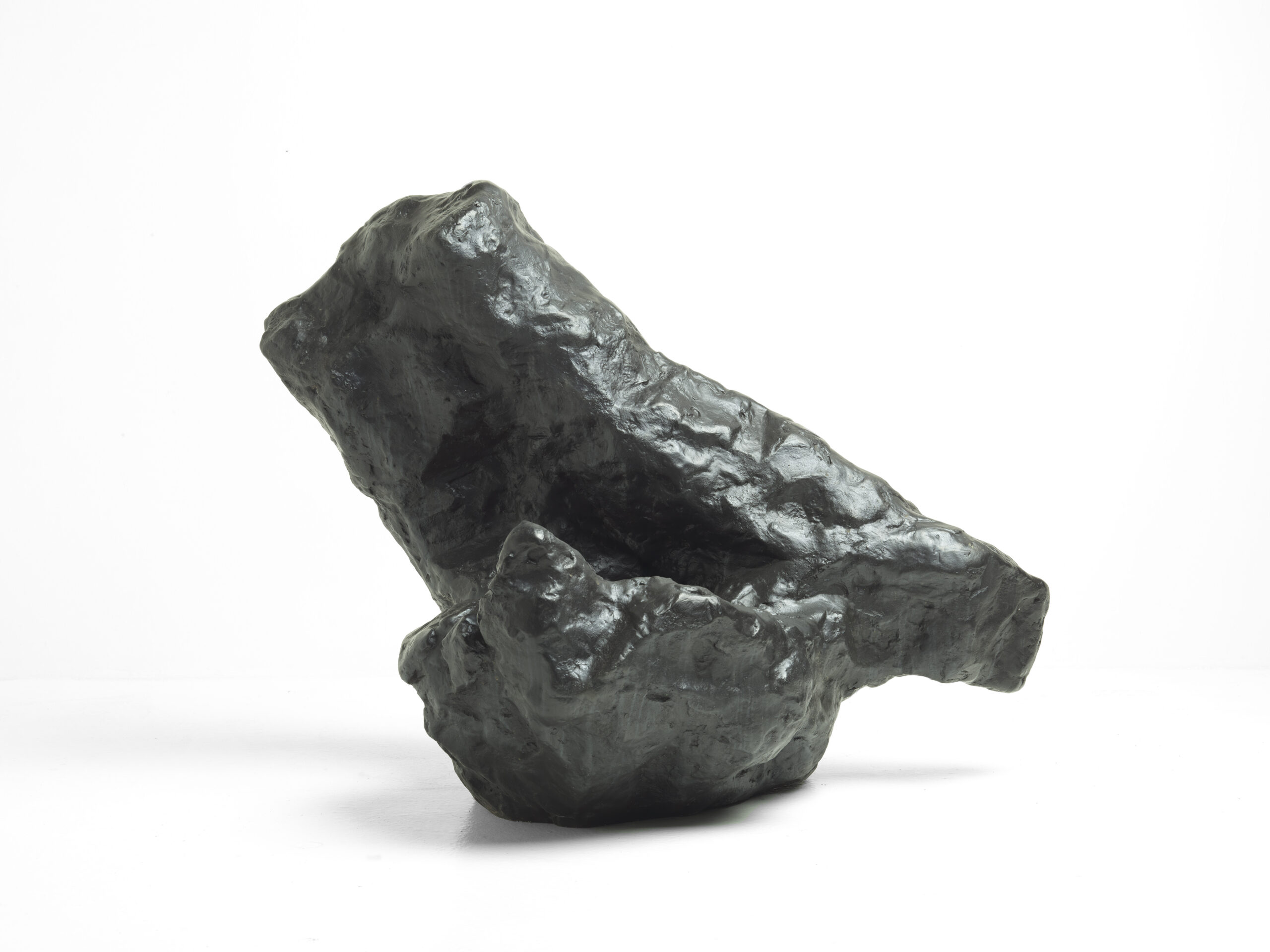
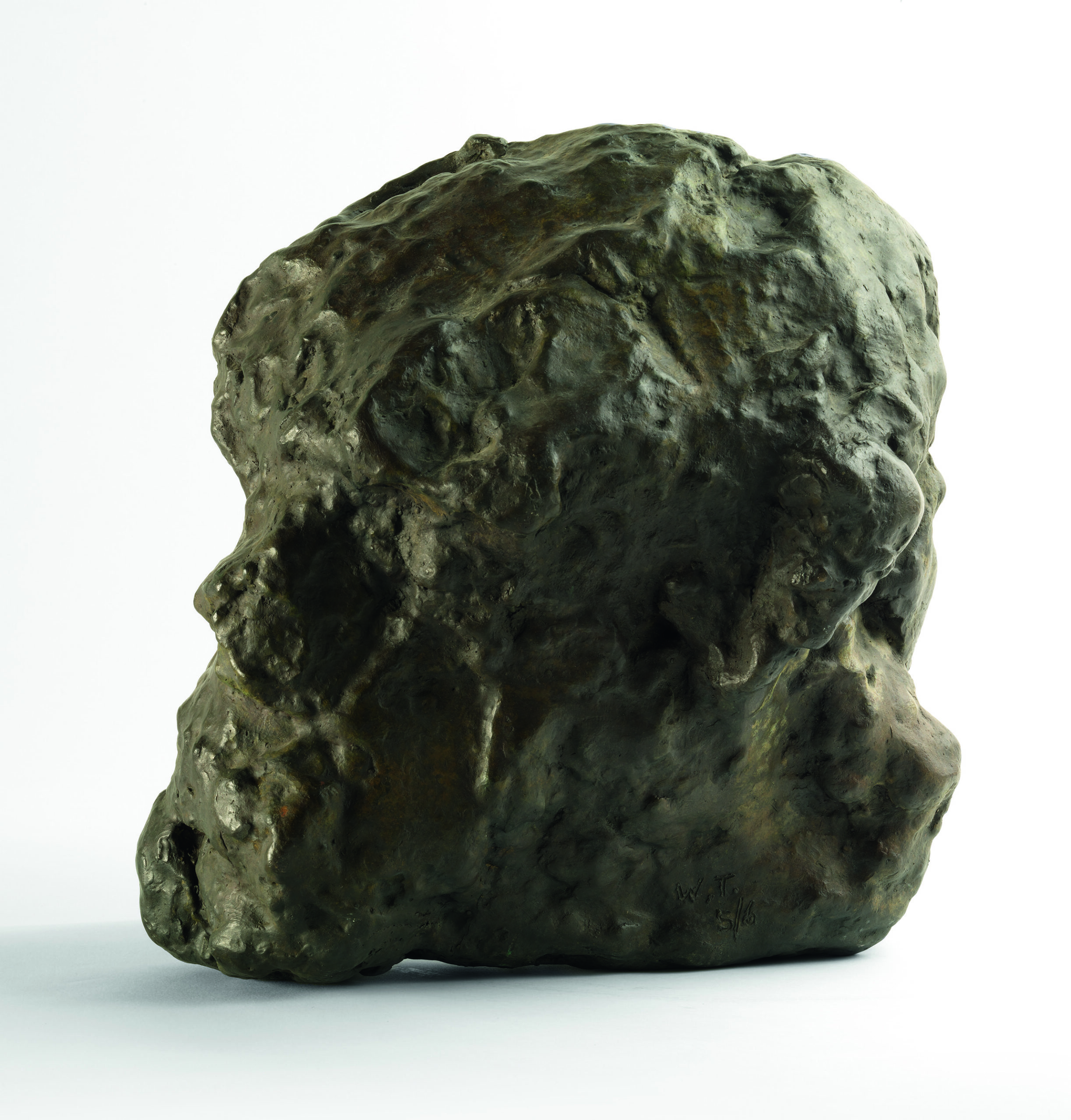
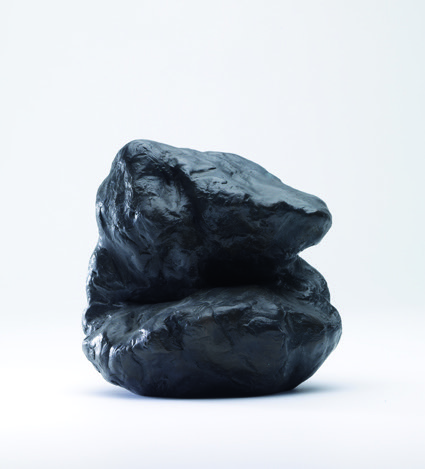
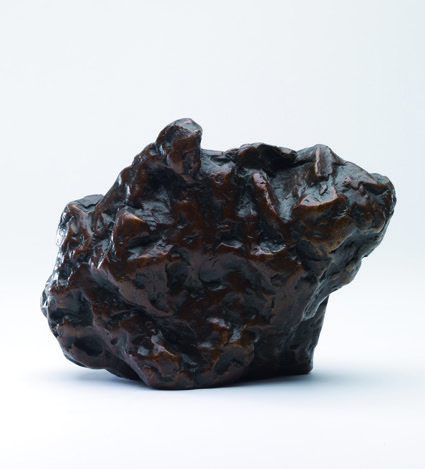
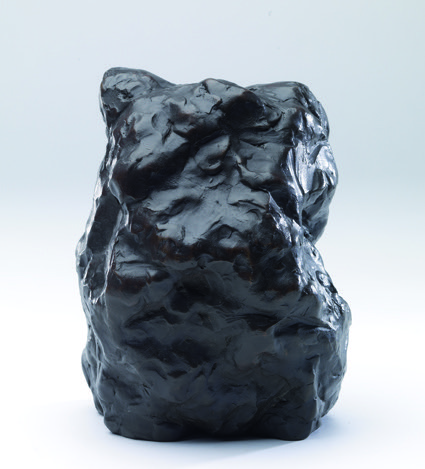
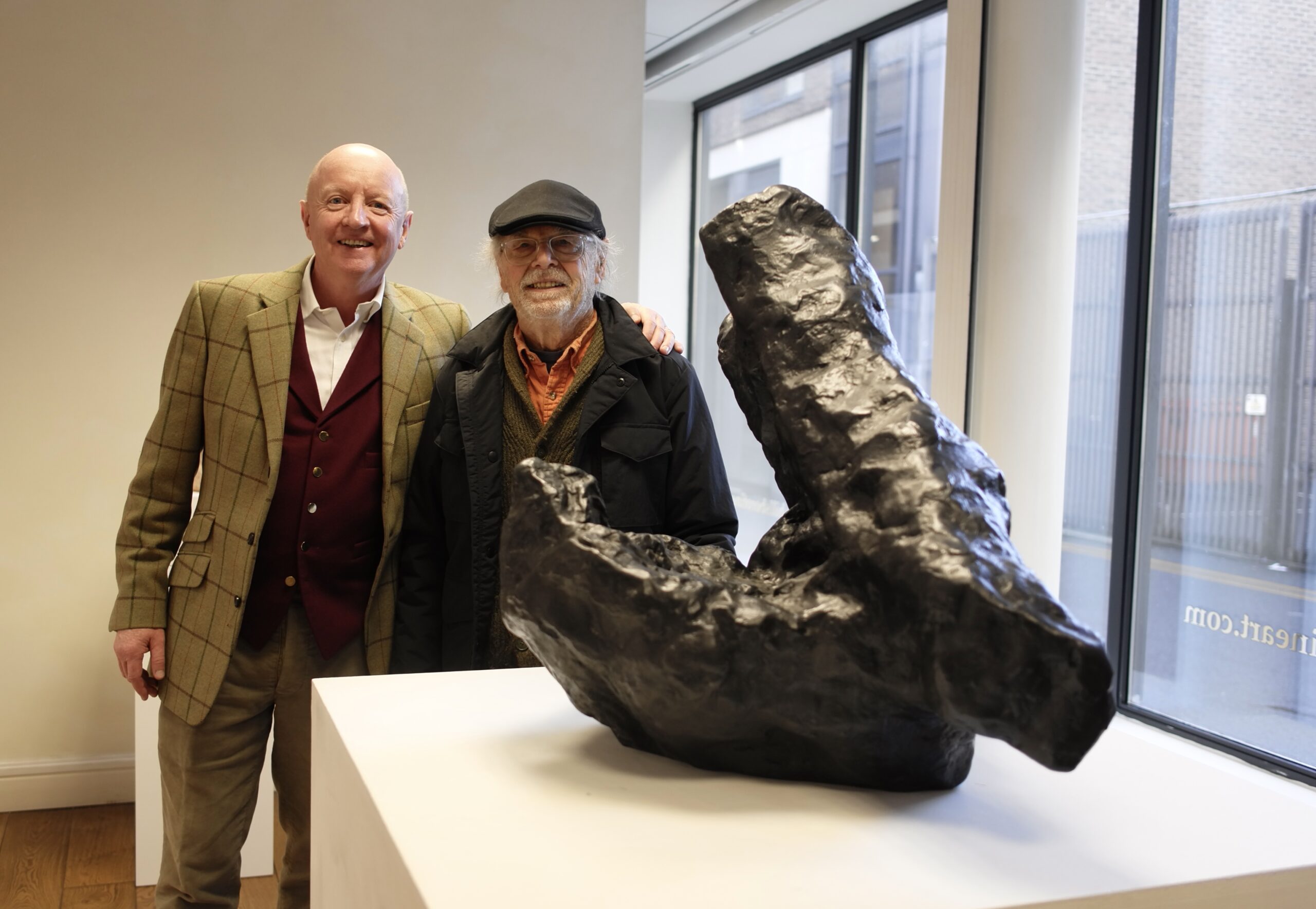
In the early 1980s, Tucker moved to upstate New York, and started to make sculptures directly in plaster (later cast in bronze) that took the human form as their reference. Despite this figurative reference, the works remain ambiguous suggesting a wide range of associations and an intense physicality that sets them apart. Tucker has continued to explore this approach at a variety of scales, with progressively more reference to the human body, both in image and handling of the material.